
MAS MARTINET AND THE RESURGENCE OF PRIORAT
Posted by Mark J, Brookshaw on 10th Apr 2026
 Priorat is a land defined by its unique character, a region of steep slopes and slate soils that has always challenged those who work it. When the devastating phylloxera epidemic swept through at the end of the 19th century, the region was left almost desolate. Many families departed with heavy hearts, leaving behind generations of memories etched into the slate soil. Vines were uprooted, villages quieted, and those who remained watched the landscape seem resigned to oblivion. For decades, Priorat's viticulture was limited to bulk wine, lacking a clear identity and the prestige this land deserved.
After decades of stagnation, hope returned in the 1980s when five visionaries arrived to change everything. René Barbier, Álvaro Palacios, Josep Lluís Pérez, Carles Pastrana, and Daphne Glorian shared a dream: to restore Priorat to its former glory, to demonstrate that this region could produce world-class wines, and to break with the limitations of the time. The newcomers were captivated by the rugged beauty and saw potential where others saw only loss. René Barbier pioneered new planting techniques adapted to the slate terraces, while Álvaro Palacios introduced modern winemaking methods that elevated Priorat's wines to international acclaim. Together, they revitalized old vines, experimented with blends, and built a new legacy for Priorat, transforming it from forgotten hills into a celebrated winemaking region.
A Life Project and a Shared Revolution
In the early 1980s, a remarkable convergence of visionaries changed the course of Priorat’s wine history. Josep Lluís Pérez, with his wife Montse Ovejero, arrived in Priorat in 1981, driven by a bold mission: to uncover and share the hidden potential of this rugged, slate-covered land. Soon, they were joined by a group of equally passionate pioneers—René Barbier at Clos Mogador, Álvaro Palacios at Clos Dofí, Carles Pastrana at Clos de l'Obac, and Daphne Glorian at Clos Erasmus. Though each brought their own dreams and expertise, it was their willingness to collaborate and support one another that sparked the creation of the “Clos Project.”
Rather than working in isolation, these founders shared knowledge, resources, and even grapes. For example, when René Barbier introduced selective hand harvesting to ensure only the ripest grapes were picked, others quickly embraced the technique, gathering in the vineyards at dawn to sort clusters by hand. Josep Lluís Pérez and Montse Ovejero’s deep study of the slate soils (locally known as llicorella) informed decisions across the group, helping everyone adapt vineyard practices to the unique terroir. Daphne Glorian, inspired by organic farming, championed sustainable viticulture, which soon became a cornerstone of the collective approach.
 Innovation thrived in this spirit of cooperation. Together, the group experimented with blending indigenous grapes like Garnacha and Cariñena, crafting wines that expressed the intense minerality and depth of the region. They shared fermentation tanks, compared results, and refined barrel aging techniques. These practices—organic farming, careful selection at harvest, and blending native varieties—set a new standard for Priorat wines, marrying tradition with a modern, quality-focused vision.
Their journey was not just technical; it was deeply personal. As Josep Lluís Pérez once recalled, “The first time I walked the terraced vineyards at sunrise, the scent of wild herbs and the crunch of slate underfoot filled me with awe. I knew we were standing on something truly special, and that together, we could help the world taste it.” This sense of wonder and camaraderie fueled their work, forging a revolution that transformed Priorat from a forgotten region into a beacon of fine winemaking rooted in place, passion, and shared discovery.
The Legacy of a Generation
In the late 1980s, Priorat was a forgotten land. Centuries-old terraces lay abandoned, vines struggled against neglect, and the region’s economy languished. Local families, faced with dwindling opportunities, watched as their traditions slipped away. Yet, a group of five pioneers—driven by vision and passion—dared to dream of revival. Their names became synonymous with hope: through nights spent debating in rustic cellars and days laboring in the sunbaked fields, they rekindled a belief that Priorat could rise again. One story recalls how, after a long day hauling stones to rebuild ancient terraces, these pioneers would gather, hands stained with earth, to share a simple meal and speak of the wines they hoped to create—wines that would honor the land and its history.
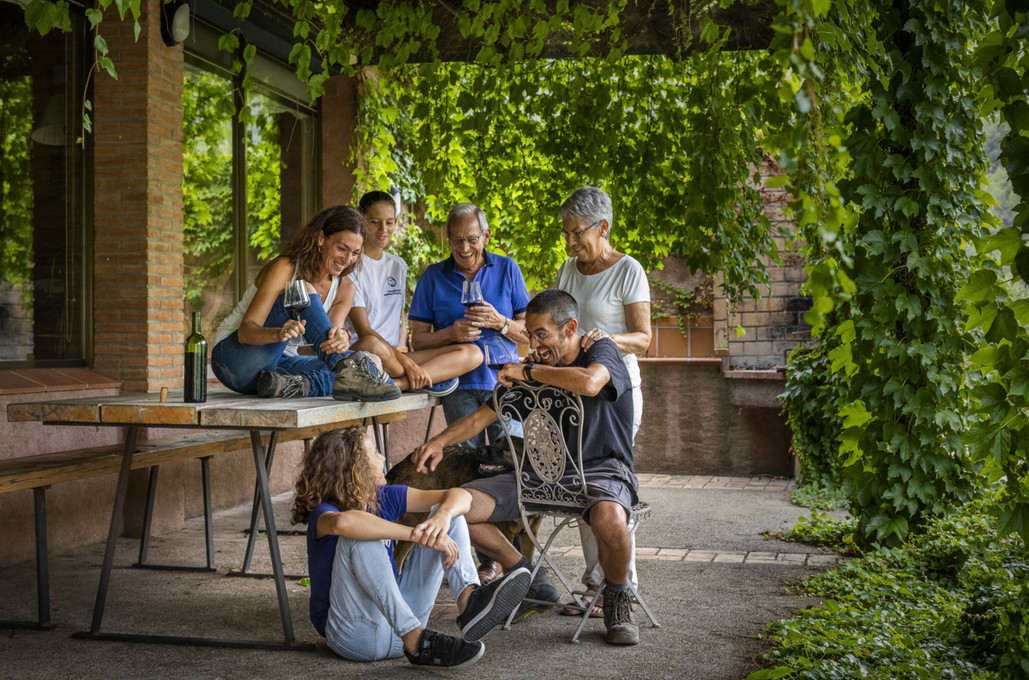
 By laying the groundwork for quality and authenticity, these trailblazers paved the way for Priorat’s renaissance. In 2000, Sara Pérez, the daughter of pioneer Josep Lluís, stepped into the leadership of Mas Martinet, determined to carry this vision forward. Sara brought not only a new generation’s energy but also a deep respect for the vineyard’s ecosystem. Her agroecological approach is evident: Mas Martinet practices organic farming, eschewing synthetic chemicals in favor of natural composts and biological pest control. She introduced the use of cover crops between vine rows, enriching the soil, preventing erosion, and fostering biodiversity. Water conservation is another cornerstone of her stewardship, with careful irrigation management and rainwater collection ensuring sustainability in a region prone to drought.
Sara’s commitment extends beyond environmental care. Under her guidance, Mas Martinet has revived ancestral grape varieties such as Garnacha Peluda and Cariñena, once nearly lost to history. She has also reintroduced traditional winemaking techniques—like fermenting in old stone lagares and aging wines in amphorae—that connect each bottle to Priorat’s roots. These methods not only preserve the pioneers’ legacy but expand it, blending innovation with reverence for the past.
Today, Priorat stands as one of only two Qualified Designations of Origin (DOQ) in Spain, alongside Rioja. Its wines are celebrated worldwide for their depth and authenticity, each bottle bearing the imprint of those five dreamers who refused to let Priorat fade. Their dedication, and Sara Pérez’s sustainable vision, have shaped the region’s identity—an enduring testament to the power of passion, perseverance, and respect for tradition.
 The Priorat: A Land that Teaches
Priorat is a place that, as Sara describes it, compels you to bow before its grandeur. It is a land both harsh and generous, where the slate acts like a mother—nurturing the vines with its warmth and enriching minerals. This ancient soil regulates temperature, stores precious moisture, and infuses the grapes with complexity, shaping them much like a mother gently guiding her children to maturity. Working these lands is much more than farming; it is an exercise in reflection and a profound connection with nature, where the scent of wild herbs and the sun-baked slate fills the air.
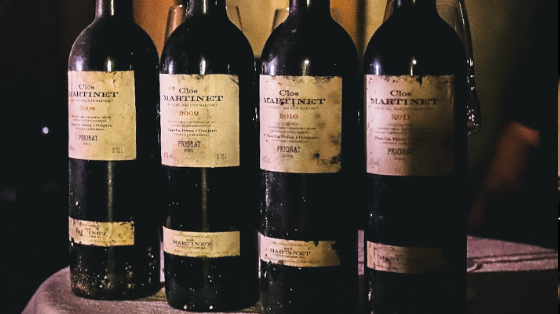
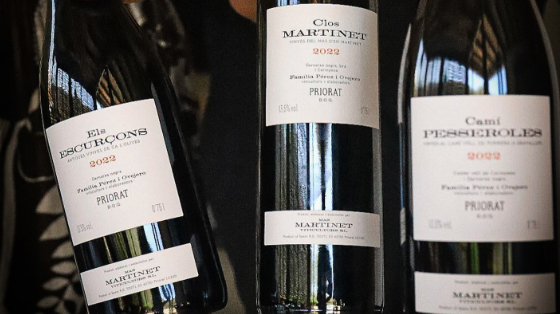
The wines of Mas Martinet—such as Clos Martinet, Martinet Bru, Les Escurçons, Camí Pesseroles, Pesseroles Brisat, Vi Verge, and the ancestral Martinet Ranci Dulce—are authentic reflections of this symbiotic relationship. Crafted with minimal intervention, for example, by using native yeasts for fermentation and eschewing filtration to preserve the wine's natural essence, these wines honor the unique terroir. Each bottle tells a story of balance between innovation and tradition: the aroma of wild rosemary and thyme wafts from the glass, while each sip of Clos Martinet reveals layers of dark fruit, earthy minerality, and a lingering sense of place shaped by the slate-rich soils.
Their Own Path
Although Sara Pérez proudly carries on her family's legacy, she has also forged her own path by embracing agroecology—an approach that emphasizes sustainable farming, soil health, and biodiversity preservation. For example, Sara has transformed vineyard management at Mas Martinet by planting cover crops to enrich the soil naturally, reducing chemical inputs, and encouraging native flora and fauna to thrive. Her unique vision goes beyond traditional winemaking, as she integrates innovative techniques like spontaneous fermentation and amphora aging to highlight the character of the Priorat landscape. Sara is also passionate about community engagement, organizing local workshops that connect neighbors to the rhythms of the vineyard and the shared stewardship of the land.
Mas Martinet continues to evolve, carrying with it the fighting spirit and passion that Josep Lluís instilled, but with an ever-present openness to the future and continuous learning. One vivid example of Sara's philosophy in action is the annual harvest festival, where staff, neighbors, and visitors gather to pick grapes, share stories, and celebrate the connection between wine and place. Here, in the heart of Priorat, wine is not just drunk—it is woven into daily life, traditions, and the landscape itself.