
LOUIS JADOT CÔTE D’OR BURGUNDIES
Posted by Mark J, Brookshaw on 17th Jun 2026
Maison Louis Jadot's principles of vinification focus on the purest expression of each wine’s terroir, taking the lightest possible hand in winemaking and a restrained use of oak maturation.
- Since 1859, one of the most venerable, most trusted and revered wine houses in Burgundy
- Owns 280 acres of the Côte d’Or’s most prestigious Premier and Grand Cru plots
- Places equal importance on the wines of each of Burgundy’s appellations, whether village wines or Grands Crus
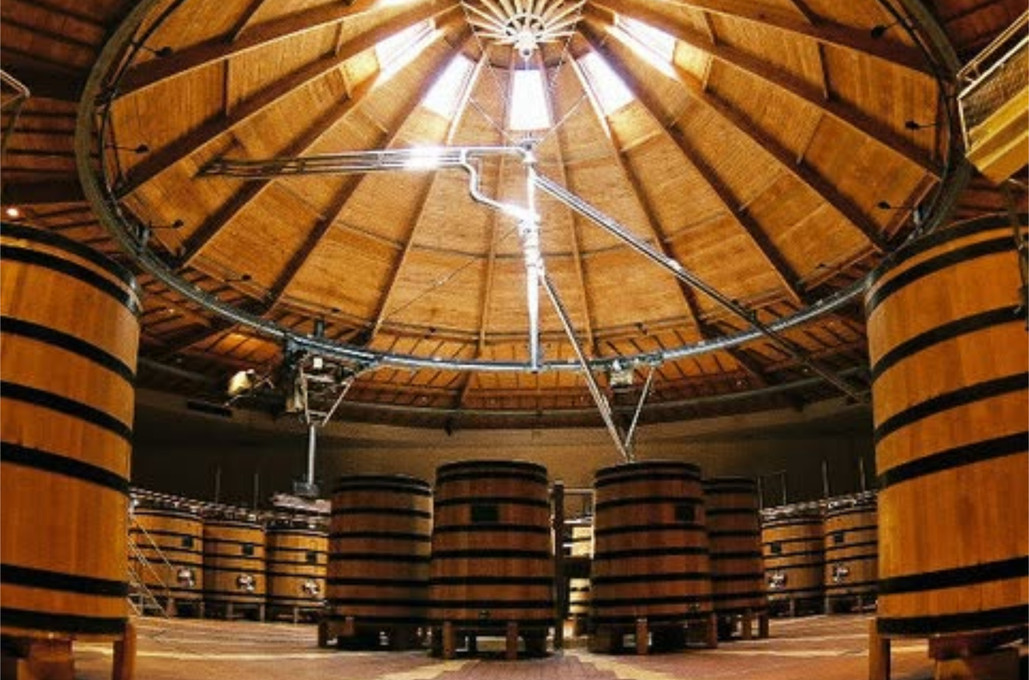
- Vinification balances tradition and technology, focusing on the purest expression of each wine’s terroir
- Restrained use of new oak maturation allows terroir to shine
- In 2013, Frédéric Barnier was named Technical Director, after working side-by-side with legendary winemaker Jacques Lardière for three years.
In Burgundy’s Côte d’Or, where the integrity of the producer can matter as much as the reputation of an appellation or vineyard, Maison Louis Jadot stands among the region’s most venerable and trusted wine houses. Since its founding in 1859, the house has built its reputation on a careful balance of tradition, technical precision and respect for terroir.
Today, Jadot’s winemaking team is led by Technical Director Frédéric Barnier, who continues the house’s long-standing commitment to expressing the subtle distinctions between Burgundy’s vineyards. Although officially retired in 2013, the esteemed winemaker Jacques Lardière remains involved in an advisory capacity and on selected special projects.
Over more than a century and a half, Maison Louis Jadot has grown through a long-term policy of acquiring and managing exceptional vineyard land. It now owns 528 acres of vineyards, including nearly 280 acres in some of the Côte d’Or’s most prestigious Premier and Grand Cru sites.
The Founding of Maison Louis Jadot
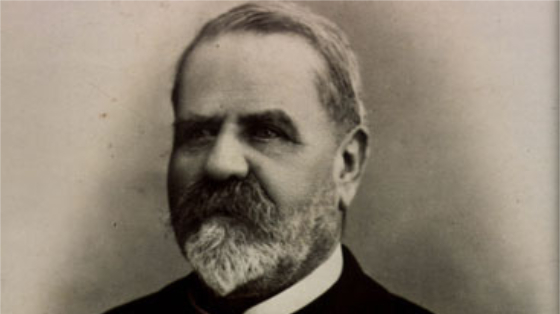 Maison Louis Jadot was founded in 1859 by Louis Henry Denis Jadot. The first member of the Jadot family had arrived in Beaune from Belgium in 1794 and soon began purchasing Premier and Grand Cru vineyards, establishing a connection with Burgundy’s finest sites that would shape the family’s future.
With grape growing already part of his heritage, Louis Henry developed his expertise from the cellar outward: first learning the evaluation of wines, then turning to the vineyards and the study of viticulture. As he travelled, he built a loyal clientele, and in 1859 he purchased the respected négociant firm Lemaire-Fouleux, giving the business his own name.
After Louis Henry’s death, his son Louis Baptiste Jadot continued the work with energy and ambition. He expanded export markets and strengthened the house’s French clientele, reinvesting profits in vineyards located in some of the Côte d’Or’s most celebrated Grands Crus and Premiers Crus.
When Louis Baptiste died in 1939, control of the firm passed to his eldest son, Louis Auguste Jadot, who had already been involved in the business since 1931. Under his direction, Maison Louis Jadot developed important export markets, including the United States, Great Britain, Holland, South America and New Zealand.
The Arrival of André Gagey
In 1954, André Gagey joined Maison Louis Jadot as assistant to Louis Auguste Jadot. Following Louis Auguste’s death in 1962, Gagey was appointed managing director, assuming full responsibility for the firm’s operations under the ownership and direction of Mme Jadot.
For nearly three decades, Gagey oversaw the decisions that shaped the house’s reputation, from the selection and purchase of grapes and wines bottled under the Jadot label to the care and maintenance of the vineyards within the estate.
Modern Leadership and Technical Direction
 Recognising that Maison Louis Jadot’s future growth would increasingly depend on its role as an owner-producer, André Gagey brought Jacques Lardière into the house in 1970 as his assistant and eventual technical director. Lardière would become widely recognised as one of Burgundy’s leading winemakers, combining a deep respect for nature with a sophisticated understanding of modern winemaking.
In 1984, André Gagey’s son, Pierre-Henry Gagey, joined Maison Louis Jadot, bringing business and management expertise alongside an inherited knowledge of wine. The following year, the négociant firm was purchased by the owners of Kobrand Corporation, the sole United States importer of Jadot Burgundies since 1945.
Pierre-Henry Gagey became president in 1991 and held the role until his retirement in 2022. His son, Thibault Gagey, has since been promoted to Managing Director with responsibility for day-to-day operations, while Thomas Seiter now serves as President. Frédéric Barnier, who worked alongside Jacques Lardière for three years, was named Technical Director in 2013 and has since guided new vineyard acquisitions, grape contracts, Jadot’s expansion into Chablis, and the development of its viticulture and vinification teams.
The Jadot Property
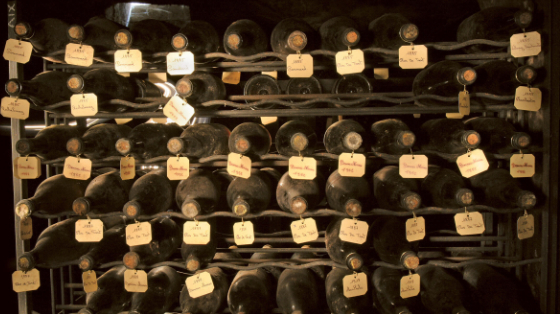
Maison Louis Jadot’s headquarters are located in the heart of Beaune. Among its three cellars, the most beautiful is housed in the Couvent des Jacobins, built in 1477 and once a convent associated with Saint Dominique, founder of the Dominican order. Today, it is used for the storage of older vintages and for convivial gatherings.
Ensuring Quality in the Cellar
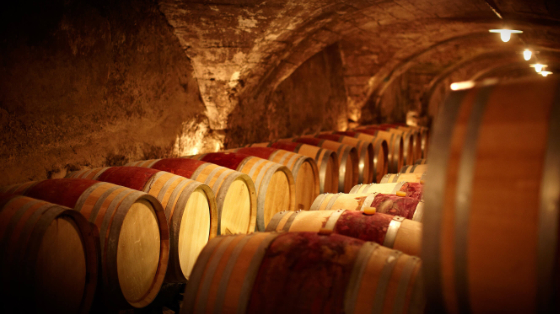 Maison Louis Jadot’s vinification philosophy rests on a balance between tradition and technology. The house aims for the purest possible expression of each wine’s terroir, favouring a light touch in the cellar and a restrained use of oak maturation.
For village-level Côte d’Or wines, Jadot also practises réplis, an expensive but quality-focused approach in which wines from a higher appellation are incorporated into a wine bearing the appellation below. For example, Jadot’s Gevrey-Chambertin will customarily contain a percentage of wines from various Premiers Crus within that village.
Jadot’s cellar practices—including long macerations, the use of wild yeasts where possible, careful control of fermentation temperature and measured ageing in oak—are designed to preserve the character of the fruit. For both red and white wines, the time spent in cask and the proportion of new oak are determined by the needs of each vintage. In keeping with its non-interventionist philosophy, Jadot considers that the greatest vintages, complete and harmonious in themselves, require only minimal contact with new oak.
The Wines
| Chablis | Côte Chalonnaise | Regional | Mâconnais |
| Côte de Beaune White | Côte de Beaune Red | Côte de Nuit White | Côte de Nuit Red |